
Knowledge Base

Shared Hosting vs VPS: When an Upgrade Becomes a Necessity

Shared Hosting vs VPS: When an Upgrade Becomes a Necessity

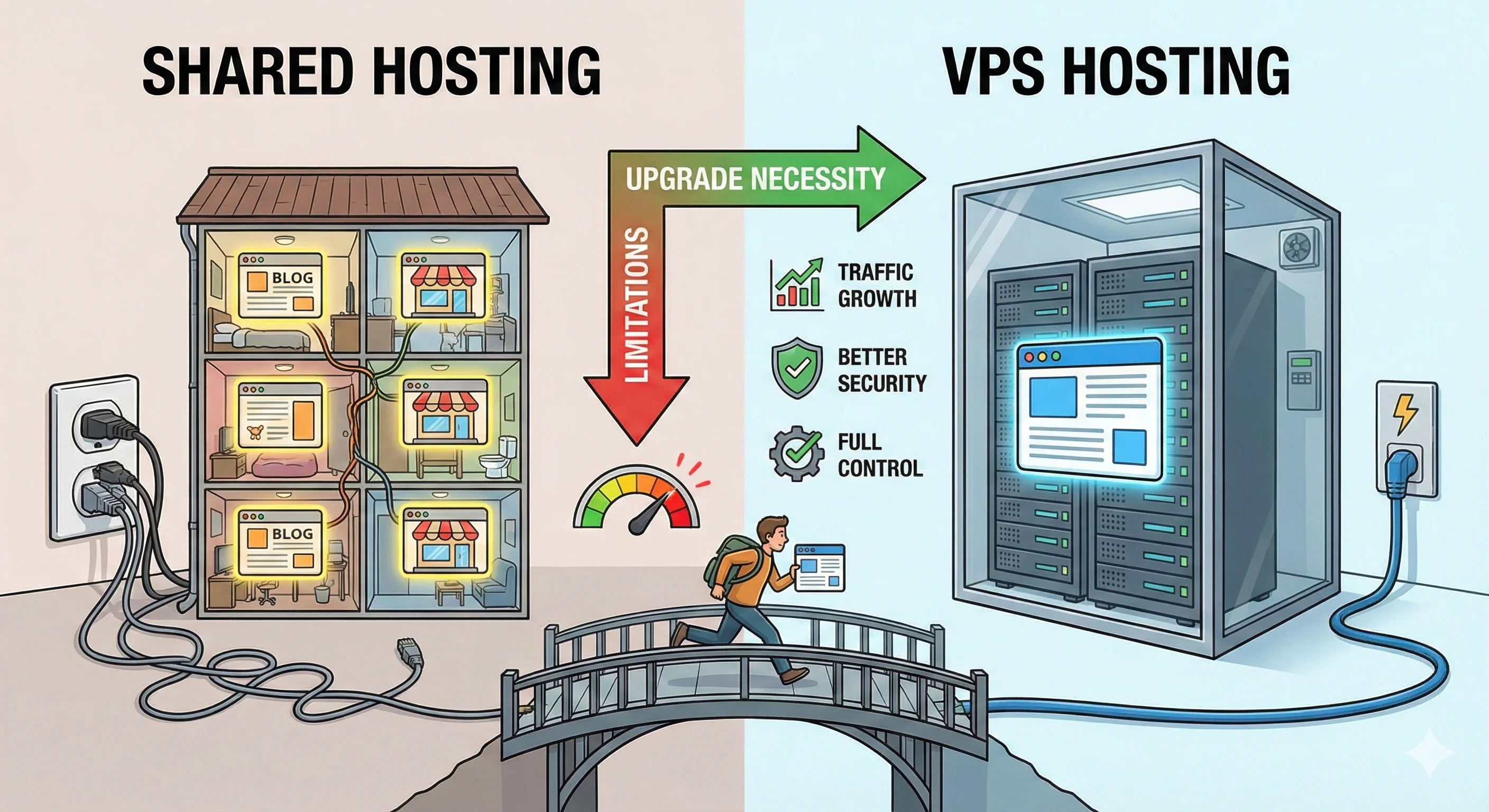
Shared hosting is a budget-friendly starting point for websites, but it comes with resource limitations, lower isolation, and restricted configuration options. A VPS provides dedicated virtual resources, higher performance, better security, and full control over server settings. When traffic grows, performance becomes unstable, or custom software and stronger protection are needed, migrating from shared hosting to a VPS becomes the natural next step.

SSL Certificates and HTTPS: Do You Really Need Them for Your Website?

SSL Certificates and HTTPS: Do You Really Need Them for Your Website?

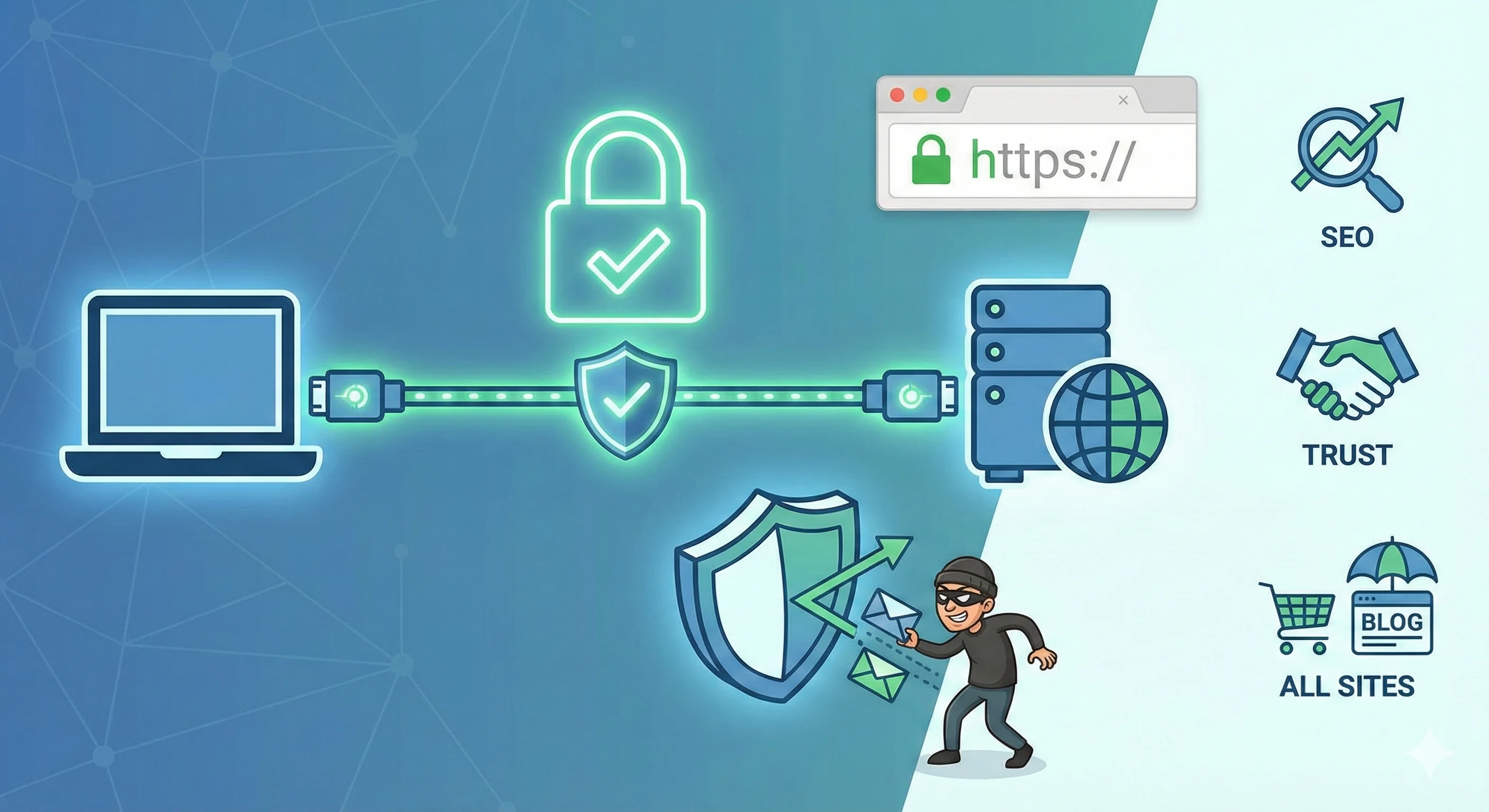
SSL (HTTPS) encrypts the connection between a website and its visitors, protecting sensitive data from interception and ensuring the user is communicating with the real website. It increases trust, prevents man-in-the-middle attacks, and improves SEO visibility. Today, HTTPS is a basic requirement for every site — from personal blogs to online stores — because it enhances security, reliability, and user confidence.

DNS: How the Internet Understands Your Requests and Delivers Websites

DNS: How the Internet Understands Your Requests and Delivers Websites

DNS is an essential background system that translates human-readable domain names into IP addresses, allowing browsers to connect to the correct servers. It works like the internet’s address book, enabling websites, email, and many online services to function reliably. By using caching and a hierarchical lookup process, DNS also improves browsing speed and supports scalable infrastructure through traffic distribution across multiple servers.

What Is a Domain and How Is It Related to Hosting

What Is a Domain and How Is It Related to Hosting

A domain and hosting are two essential but different parts of a website. The domain is the website’s name and address, while hosting is the server where the site’s files and data are stored. A domain itself does not contain a website — it only points to the server through DNS. For a website to work properly, the domain, hosting, and DNS must be correctly connected. Understanding how these components interact helps prevent downtime and ensures stable website availability.

How to Upload a Website to a Server: FTP, SFTP, and File Manager

How to Upload a Website to a Server: FTP, SFTP, and File Manager

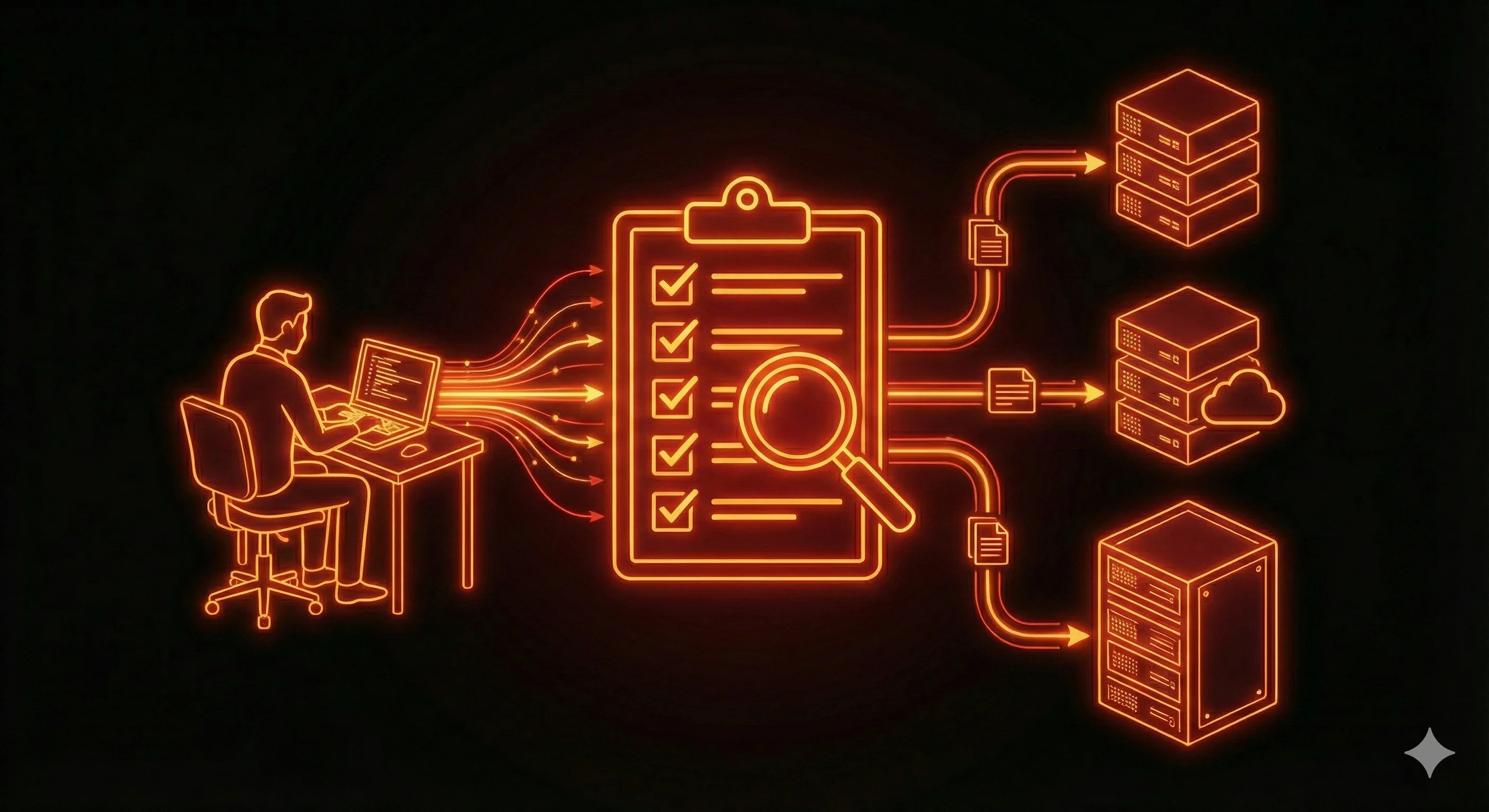
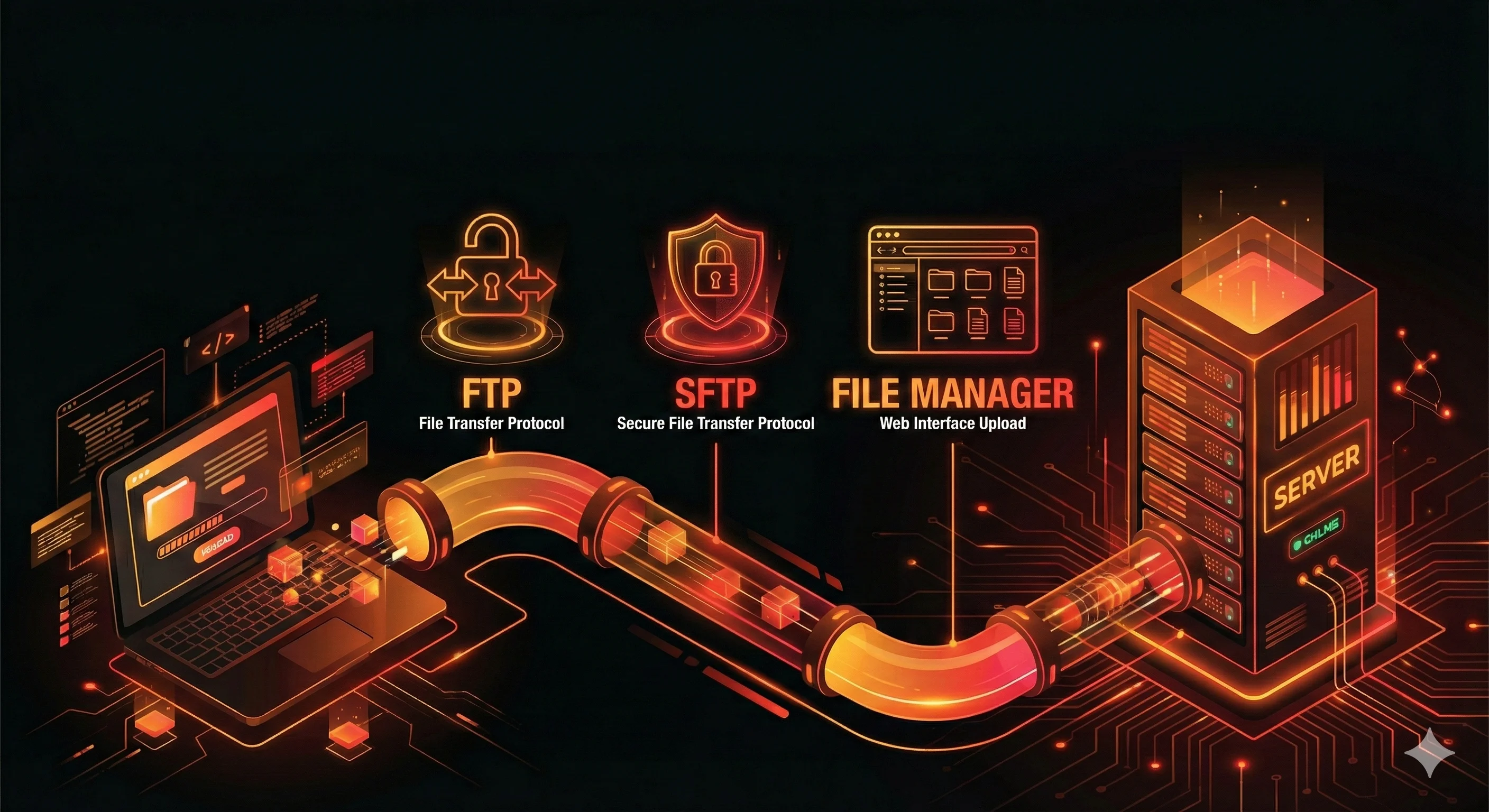
Uploading a website to hosting is simply copying files into the server’s root directory so they become accessible from the internet. FTP, SFTP, and a hosting file manager are just different ways to transfer those files, with SFTP being the most secure option. The key is placing the files in the correct folder and verifying everything loads properly afterward.

Docker and Hosting: How to Run Containers on a VPS

Docker and Hosting: How to Run Containers on a VPS

Docker can be easily run on a VPS and is a practical tool when you need predictable deployments, application isolation, or multiple services on one server. It makes sense for projects that change often, require identical environments, or may scale or migrate later. For a single simple site, however, Docker can be unnecessary complexity rather than a real benefit.

Website Security: Basic Hosting Settings That Matter

Website Security: Basic Hosting Settings That Matter

Basic website security is about simple hygiene, not complex systems: SSL, regular updates, strong passwords, admin protection, and reliable backups eliminate most real risks. The majority of attacks are automated and target common weaknesses, not specific sites. By covering these basics and maintaining them over time, a site becomes far more secure than most without adding unnecessary complexity.

What a CDN Is and Why It Makes a Website Faster

What a CDN Is and Why It Makes a Website Faster

A CDN helps websites load faster and more consistently by delivering content from servers located closer to users, reducing delays caused by physical distance. It also lowers load on the main server and improves stability during traffic spikes by serving cached static content. A CDN is most useful for sites with geographically distributed audiences, heavy media, or unpredictable traffic, rather than as a universal speed “fix.”

Why Daily Backups Matter

Why Daily Backups Matter

Daily backups aren’t a luxury or paranoia — they’re a basic safety net for any website. Most failures come from updates, human errors, or configuration mistakes, not attacks, and without a recent backup even a small issue can turn into a major problem. Automatic daily backups ensure you can quickly roll back to a working state with minimal data loss and stress.

LAMP vs LEMP: Which Stack Should You Choose for Your Project

LAMP vs LEMP: Which Stack Should You Choose for Your Project

You don’t need deep technical knowledge to choose between LAMP and LEMP — the difference mainly comes down to the web server: Apache versus Nginx. For most small and medium sites at launch, the difference is barely noticeable, and LAMP is often simpler and more predictable. LEMP makes sense when you expect higher load, traffic spikes, or heavy static content, as it handles concurrency more efficiently.

How to Choose Hosting for a Website: a Beginner’s Checklist

How to Choose Hosting for a Website: a Beginner’s Checklist

Choosing hosting for a first launch is less about technical specs and more about matching the service to your site’s real, current needs. Focus on simplicity, clear resource limits, reliable support, automatic backups, and an easy upgrade path instead of chasing the cheapest plan or maximum power “for the future.” Good hosting should stay out of the way and provide a stable foundation while your project grows.

What VPS Hosting Is and Why You Might Need It

What VPS Hosting Is and Why You Might Need It

A VPS is not a “next level” upgrade, but a different hosting model that provides guaranteed resources, isolation, and full control over the server environment. It becomes necessary when shared hosting limits performance, flexibility, or stability, especially for growing, commercial, or non-standard projects. At the same time, a VPS brings new responsibilities, making it a practical tool only when its capabilities are actually needed.

Types of Hosting and How They Differ

Types of Hosting and How They Differ

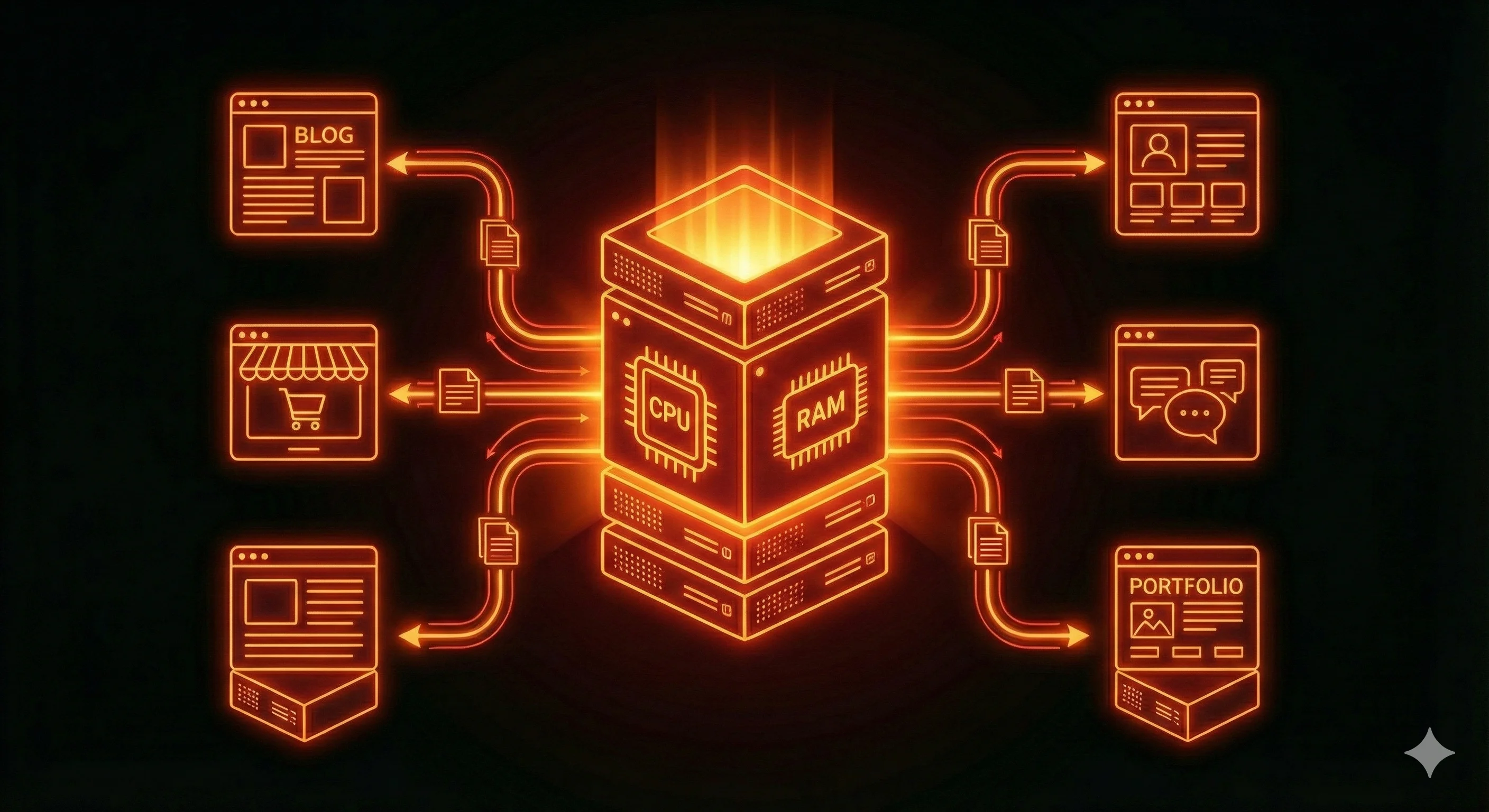
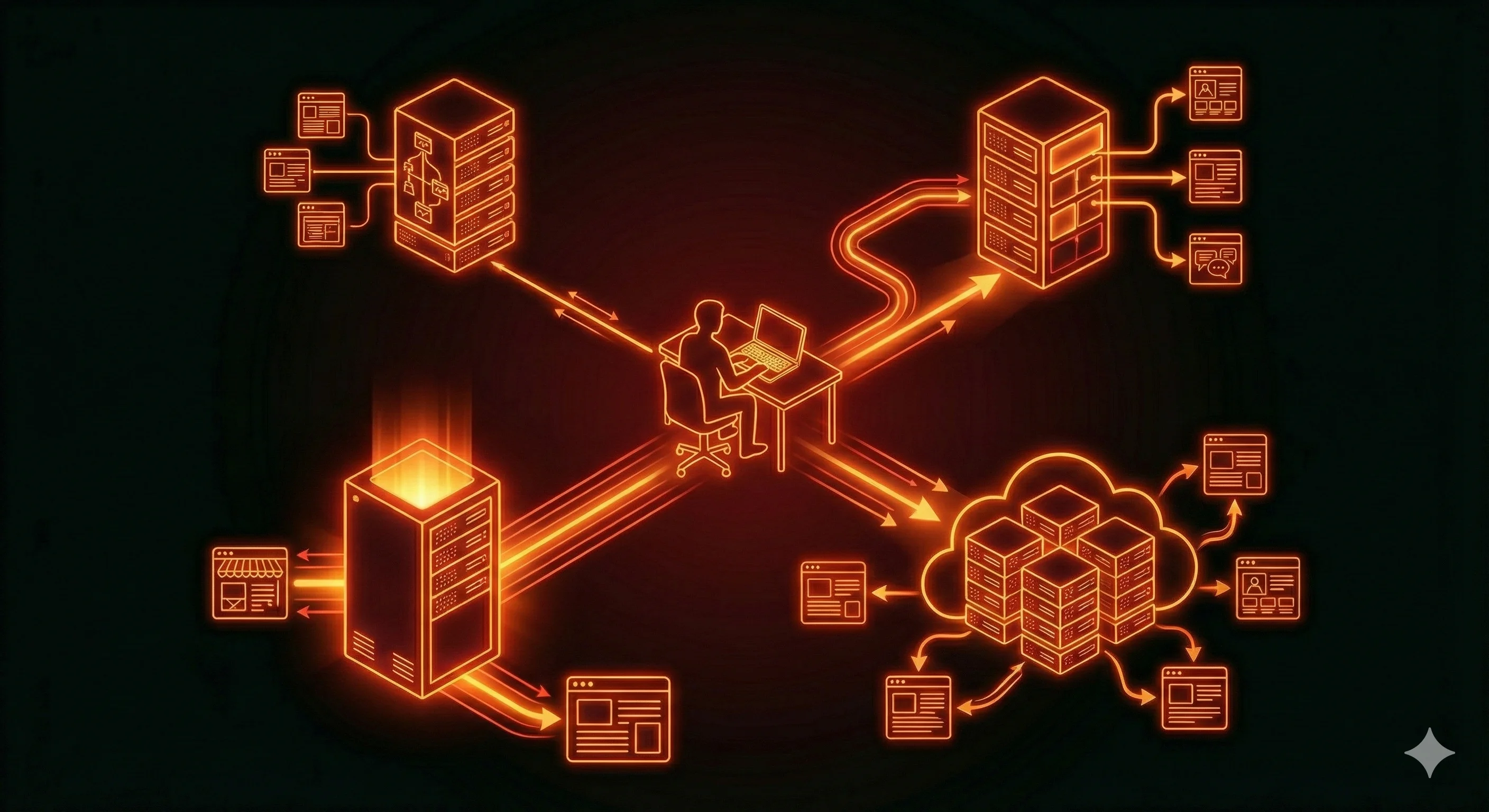
Choosing the right hosting isn’t about “better or worse,” but about matching the hosting model to your project’s real needs. Shared hosting suits simple, low-traffic sites, VPS works best for growing and flexible projects, dedicated servers are for consistently high loads, and cloud infrastructure excels at scaling and unpredictable traffic. The goal is to avoid overengineering and use hosting as a practical tool that supports growth without adding unnecessary cost or complexity.

How to Create a User and Disable Root Login

How to Create a User and Disable Root Login

Working on a VPS as root makes even small mistakes potentially catastrophic, and root is always the primary target of automated attacks. Creating a separate user and disabling root login greatly reduces the risk of both human error and security breaches, while still preserving full control through sudo. It’s a simple but essential step that significantly improves long-term server stability and security.